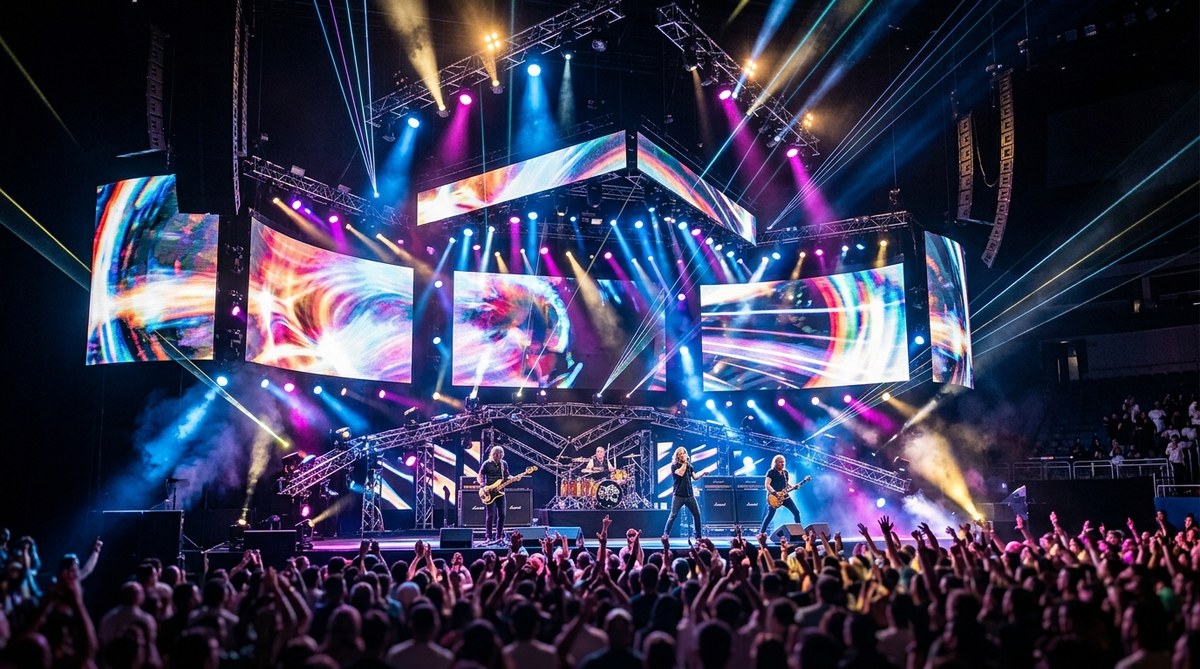
Creating an unforgettable live music experience starts with the stage. The right design can turn a simple performance into a captivating event that leaves lasting impressions. When planning a music concert, understanding the key elements of stage design is vital. From lighting and backdrop choices to sound setup and stage layout, every detail contributes to the overall vibe and success of the event. Let’s dive into what makes a concert stage stand out and how you can master these elements for your next show.
A successful music concert stage combines thoughtful design elements like lighting, backdrop, sound, and layout. These components work together to create an engaging experience that highlights the performers and captivates the audience. Mastering these elements ensures your event stands out and runs smoothly from start to finish.
Understanding the core of music concert stage design
Designing a stage for live music is more than just setting up equipment. It’s about creating a space that enhances the performance and resonates with the audience. This involves balancing aesthetics, functionality, safety, and technical needs. Each element must serve a purpose, whether it’s supporting the performers or amplifying the event’s atmosphere.
Essential music concert stage design elements
1. Stage layout and size
The foundation of any concert is its stage. The size should align with the venue capacity and the type of performance. For a small intimate gig, a compact stage might suffice, while larger festivals require expansive setups. Consider the space needed for performers, instruments, and movement. A well-planned layout allows performers to engage with the audience naturally and facilitates smooth transitions during the show.
2. Lighting design
Lighting sets the mood and highlights key moments during a performance. It’s more than just illuminating the stage. Dynamic lighting can sync with music beats, create visual effects, and emphasize performers’ movements. Use a mix of front lights, backlights, and effects like spotlights or moving heads. Remember to consider the venue’s existing infrastructure and the kind of lighting equipment needed.
Expert tip: “Effective lighting is about telling a story. Use colors and movements to match the music’s energy and emotional peaks,” suggests a seasoned stage lighting designer.
3. Backdrops and visual effects
Backdrops serve as a visual canvas for your event. They can be custom-designed to reflect the event’s theme or artist branding. Use high-quality materials and consider incorporating LED screens or projections for versatility. Visual effects like fog, pyrotechnics, or animations can add drama and excitement, but always prioritise safety and coordination with technical teams.
4. Sound setup and acoustics
Sound quality is critical. Poor acoustics can ruin an otherwise perfect performance. Invest in quality speakers, microphones, and mixing consoles. Position speakers to ensure even sound distribution across the venue. Acoustic treatments, such as diffusers or absorbers, can improve clarity and reduce echoes. Conduct soundchecks to fine-tune the setup before the event.
5. Stage decoration and props
Decorative elements add personality to your stage. Props, banners, and themed decorations can help tell a story or reinforce branding. Keep these elements lightweight and easy to move. Avoid clutter, which can distract or cause safety hazards.
6. Safety considerations
Never compromise safety. Ensure the stage is sturdy, with secure electrical wiring and fire-resistant materials. Use appropriate barriers and designate safe pathways for performers and crew. Fire extinguishers and first aid kits should be readily accessible. Regular safety checks prevent accidents and ensure compliance with regulations.
Practical process for creating a compelling stage design
- Assess the venue: Understand the space, audience size, and technical capabilities.
- Define the event theme: Clarify the mood and aesthetic you want to create.
- Design the layout: Sketch the stage plan, considering performer needs and sightlines.
- Choose technical elements: Select lighting, sound, and visual effects tailored to your theme.
- Coordinate with vendors: Work with lighting, sound, and decor specialists.
- Test everything: Conduct rehearsals and troubleshoot issues.
- Ensure safety: Double-check structural integrity and safety protocols.
Techniques and common mistakes in stage design
| Techniques | Mistakes to Avoid |
|---|---|
| Using lighting to match music’s mood and tempo | Overloading the stage with props, causing clutter or hazards |
| Incorporating LED screens for visual engagement | Ignoring acoustics, leading to poor sound quality |
| Planning sightlines for all audience areas | Skipping safety checks, risking accidents |
| Balancing aesthetics with functionality | Underestimating power needs, causing technical failures |
| Collaborating closely with performers and crew | Last-minute changes without proper coordination |
Expert advice on mastering stage design
“The secret to an outstanding concert stage is balancing creativity with practicality. Always visualize how each element enhances the performance and engages the audience,” advises a veteran stage designer.
Innovative ideas to elevate your concert stage
- Use modular staging to adapt to different venues easily.
- Integrate interactive visual effects with audience participation.
- Incorporate sustainable materials to reduce environmental impact.
- Experiment with multi-level stages for dynamic performances.
Improving your stage design skills
Stay updated with the latest trends and technologies. Attend industry events, follow influential designers, and study successful concert setups. Using software like AutoCAD can aid in precise planning. Collaborate with experienced technicians to ensure your vision translates well in real life.
The value of detailed planning and teamwork
A well-designed stage is a product of meticulous planning and coordinated effort. Clear communication with all stakeholders, from performers to technical staff, ensures everyone understands their role. Regular rehearsals help identify potential issues early, saving time and resources on the day of the event.
Final thoughts on crafting memorable concert stages
Designing a stage that stands out requires balancing artistic vision with technical expertise. By focusing on core elements like layout, lighting, sound, and safety, you can create an environment that elevates performances and captivates audiences. Use your creativity to push boundaries while respecting practical constraints. With thoughtful planning, your next concert will be a show to remember.
Making your concert stage a showstopper
A successful music concert stage isn’t just about eye-catching visuals or powerful sound. It’s about creating an immersive experience that complements the music and enhances the audience’s connection. Apply these key elements, collaborate with skilled professionals, and stay open to new ideas. Your dedication to detail will shine through in every performance, making each event truly special.
This guide aims to inspire you to elevate your stage design skills. Whether you’re working on a small gig or a large festival, incorporating these elements will help you craft a memorable live experience. Keep experimenting, stay curious, and most importantly, enjoy the process of bringing your creative vision to life.